


- Your cart is empty Browse Shop
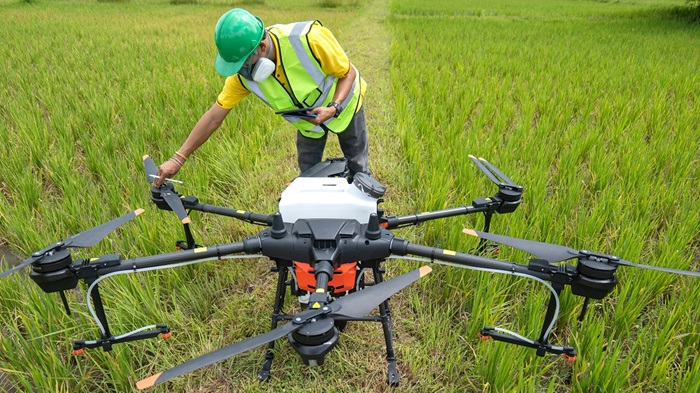
Modern Agricultural Inputs and Technical Assistance for Sustainable Farming
Sustainable farming is essential for ensuring long-term food security, environmental protection, and economic growth in Tanzania and across Africa. As agricultural challenges increase due to climate change, soil degradation, and population growth, farmers must adopt modern agricultural inputs and improved farming practices to remain productive and competitive.
Companies such as Peagro Impex Tanzania Company play a key role in supporting sustainable farming by improving access to quality agricultural inputs and providing technical assistance that enhances productivity while protecting natural resources.
The Role of Modern Agricultural Inputs in Sustainable Farming
Modern agricultural inputs are designed to improve crop performance, reduce losses, and support efficient resource use. When applied responsibly, these inputs help farmers achieve higher yields and consistent production.
1. Quality Agrochemicals and Crop Protection
Approved agrochemicals protect crops from pests, diseases, and weeds, reducing yield losses and improving crop quality. Responsible input use ensures effective crop protection while minimizing environmental impact.
2. Improved Seeds and Farm Inputs
High-quality seeds and inputs improve germination, crop uniformity, and resilience to climatic stress. Access to reliable inputs allows farmers to plan production and meet market demand more effectively.
3. Efficient Use of Resources
Modern inputs enable better use of land, water, and labor. Precision in input application supports sustainable soil management and long-term farm productivity.
Importance of Technical Assistance in Sustainable Agriculture
Inputs alone are not enough to achieve sustainable farming. Technical assistance and knowledge transfer are essential to ensure that farmers apply modern technologies correctly and efficiently.
1. Extension and Advisory Services
Technical assistance provides farmers with guidance on crop management, pest control, soil health, and post-harvest handling. Extension support helps farmers adopt best practices that improve productivity and sustainability.
2. Capacity Building and Training
Training programs strengthen farmers’ skills and decision-making capacity. Through hands-on support and advisory services, farmers gain the knowledge needed to adapt to changing agricultural conditions.
3. Adoption of Climate-Smart Practices
Technical assistance promotes climate-smart agriculture by encouraging practices that enhance resilience to climate change, conserve natural resources, and reduce environmental risks.
Peagro Impex’s Approach to Sustainable Farming
Peagro Impex Tanzania Company supports sustainable farming by combining access to quality agricultural inputs with practical technical assistance. The company works closely with farmers and agribusiness actors to ensure that inputs are used responsibly and effectively.
Through its services, Peagro Impex helps farmers improve productivity, reduce risks, and adopt sustainable agribusiness practices that contribute to long-term food security.
Supporting Food Security and Agribusiness Growth
Sustainable farming practices supported by modern inputs and technical assistance strengthen food systems and rural livelihoods. Improved productivity leads to increased food availability, stable incomes, and stronger agribusiness value chains.
By supporting sustainable agriculture, Peagro Impex contributes to national and regional agricultural development goals while promoting responsible resource management.
Conclusion
Modern agricultural inputs and technical assistance are critical pillars of sustainable farming. When combined effectively, they enable farmers to increase productivity, protect the environment, and build resilient agricultural systems.
Through its integrated agricultural services, Peagro Impex Tanzania Company continues to support sustainable farming practices that strengthen agribusiness growth and food security in Tanzania and beyond.